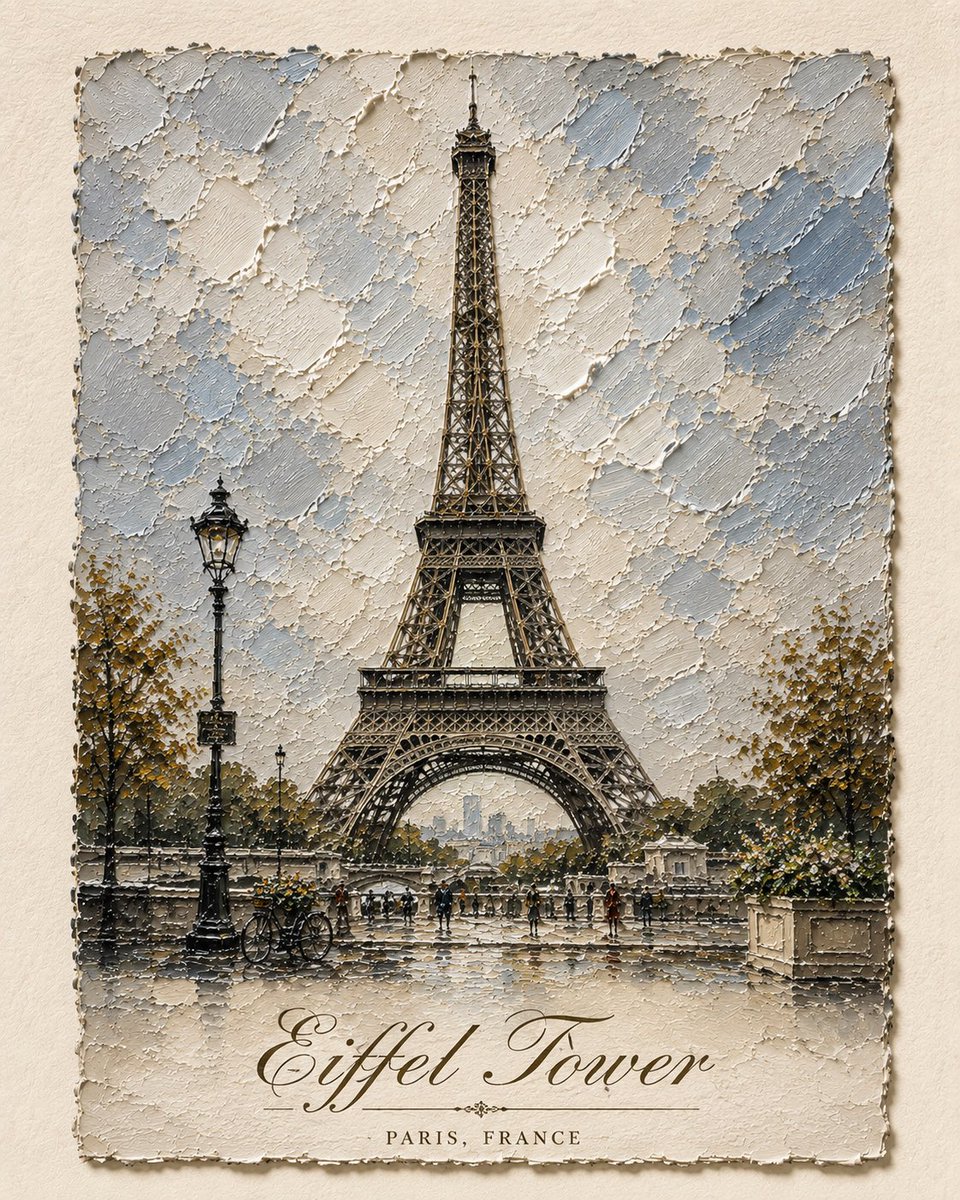
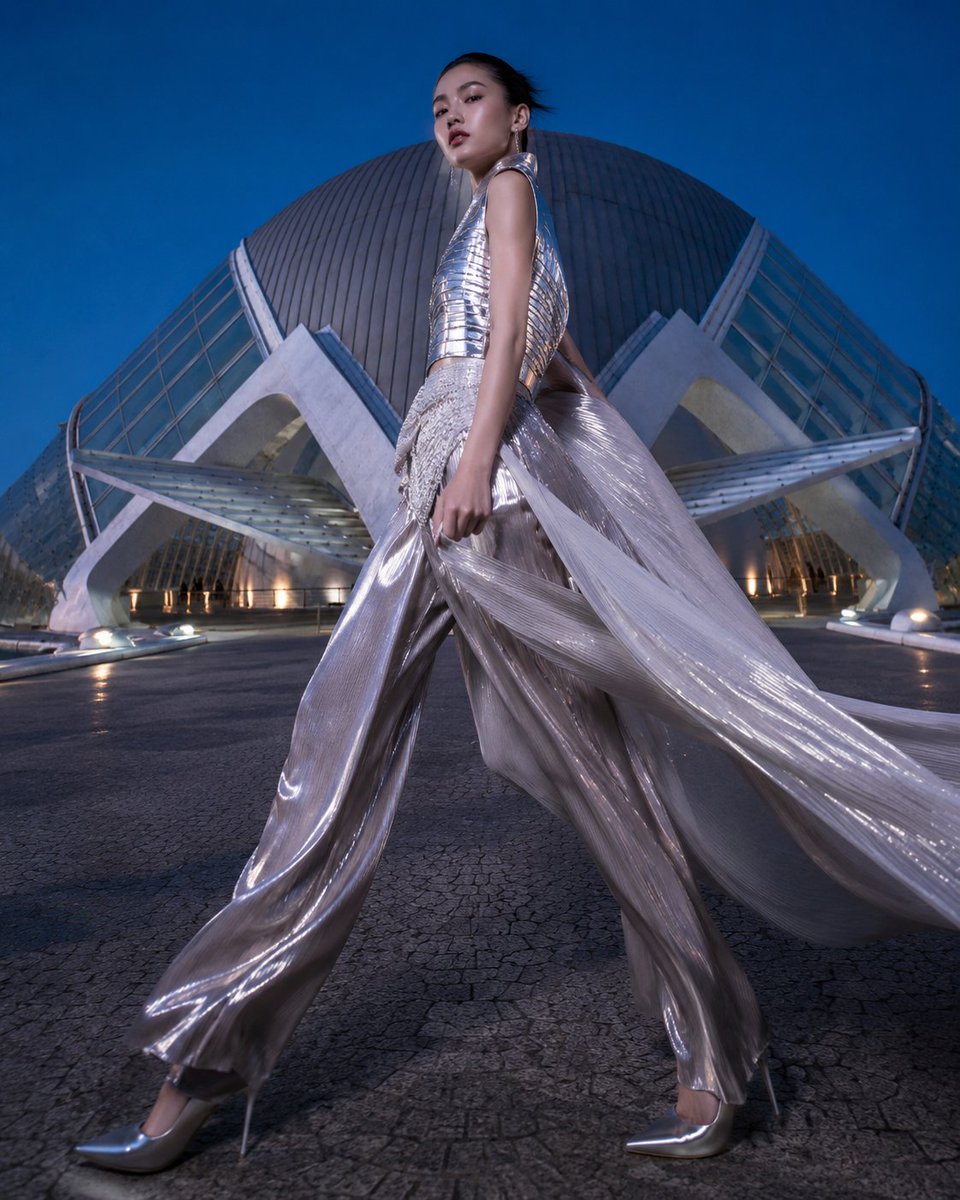
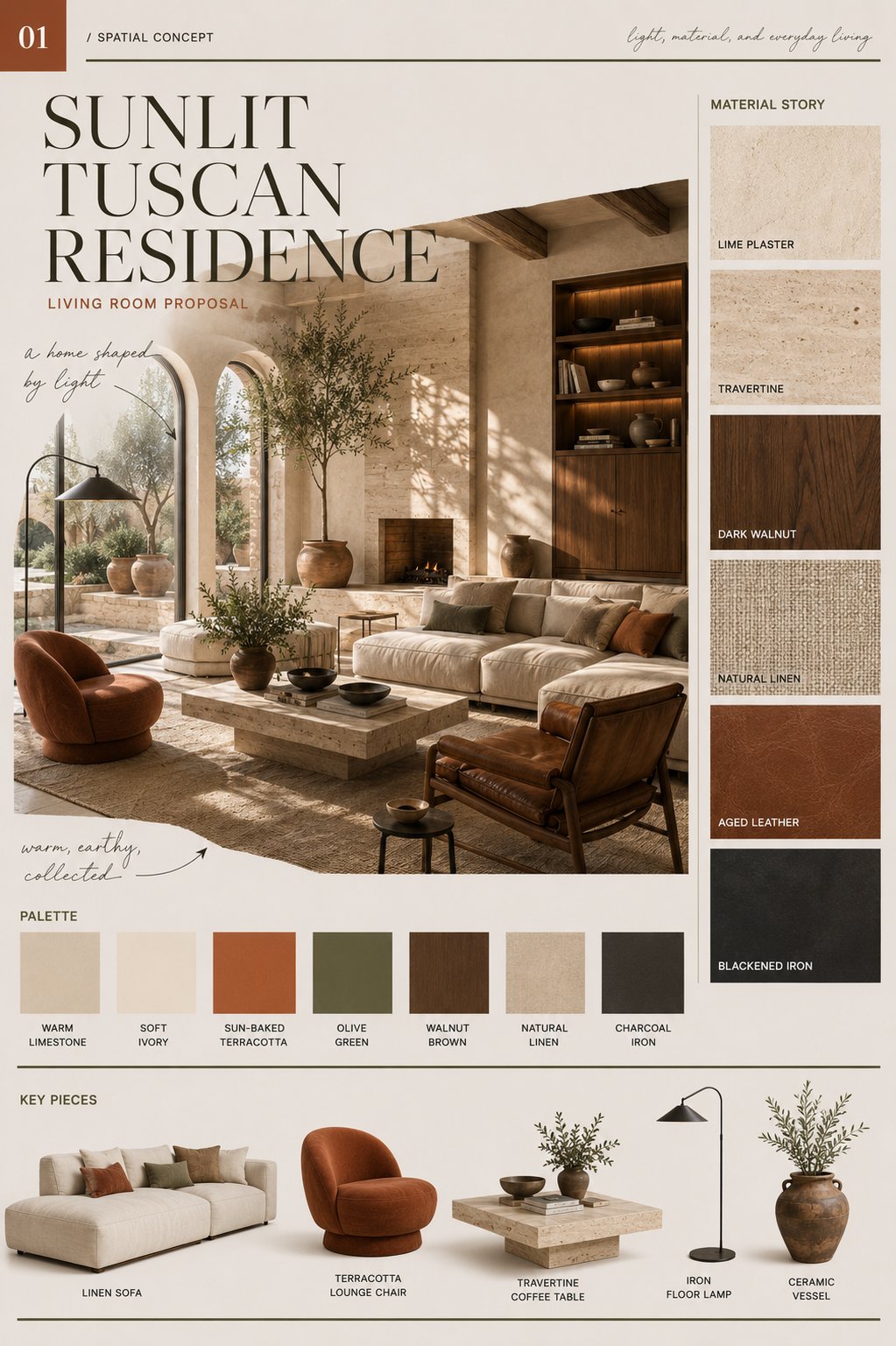
Create a sophisticated fine-art architectural painting of [STRUCTURE / LANDMARK], presented as a highly tactile, three-dimensional impasto oil painting on textured archival paper.

Make [STRUCTURE / LANDMARK] the unmistakable central focal point, shown from a slightly low, frontal perspective so its architecture feels grand, monumental, elegant, and sculptural. Preserve the recognizable architectural features, proportions, silhouette, windows, columns, arches, roofline, ornamentation, materials, and distinctive details of the structure, but reinterpret the entire scene as a handcrafted contemporary oil painting.

Use extremely thick palette-knife impasto with visible raised strokes, layered paint, broken edges, scraped textures, ridges, and expressive overlapping marks. The architecture should appear almost sculpted entirely from paint, with heavy cream, warm stone, soft gray, muted blue, dusty green, subtle charcoal, and delicate antique-gold accents.

Behind the structure, create a simplified atmospheric sky made entirely from thick textured brushstrokes in soft powder blue, ivory, pale gray, and warm white. Keep the background understated, elegant, and painterly so the architectural form remains dominant.

Add subtle environmental details at the bottom — a few bicycles, elegant vintage street lamps, plants, steps, pavement, tiny distant figures, or other small location-specific details — but keep them secondary, miniature, and painterly.

The artwork should sit like a physical painted panel mounted on a warm off-white handmade paper background. Give the painted panel an irregular, naturally torn and rough painted edge, with subtle dimensional shadows around it, suggesting that a thick original artwork has been physically placed onto textured archival paper.

At the bottom of the artwork, incorporate the name of the landmark in beautiful refined italic typography:

"[STRUCTURE / LANDMARK]"

Use sophisticated small editorial typography in muted antique gold, cream, and subtle bronze.

Visual style: thick impasto oil painting, palette-knife texture, architectural monument, tactile surface, fine-art presentation, museum-quality craftsmanship.